
Myth: “If it’s leaking, the shingles are bad.” Fact: “Penetrations and flashing fail first—shingles are often innocent bystanders of Roof Leaks in Mesa Arizona.”
Did you know: Over 60% of roof leaks in the Phoenix area have nothing to do with bad shingles? In Arizona, more leaks start at roof details like flashing and penetrations than anywhere else—leaving even well-maintained shingle roofs at risk when the summer monsoons hit. If you spot a ceiling stain after a storm, the real culprit might be hidden edges, metalwork, or sun-damaged sealants—not your shingles. This guide uncovers what’s really causing those leaks, how to spot them fast, and what kind of shingle roof replacement in Mesa AZ is truly needed to fix them.
What You’ll Learn About Shingle Roof Replacement Mesa AZ and Common Roof Leak Causes
- Why Mesa roofs leak (beyond just shingle issues)
- How to quickly diagnose urgent vs. cosmetic symptoms
- Essential steps every Mesa homeowner should take when a roof leak appears
- When shingle roof replacement in Mesa AZ makes sense—and when a simple repair suffices
A Roof Leak in Mesa: Why It’s Not Always the Shingles
Most Arizona homeowners assume a stained ceiling means bad shingles. But in Mesa, intense sun, wild monsoons, and quick temperature swings mean other details fail first.
- Picture this: a sudden monsoon whips through, rain pounds the roof, and the next day you see a new drip or moving water stain dancing across your ceiling. You might blame your shingle roof, but in Mesa, those dramatic storms expose weaknesses at roof edges, vents, valleys, and fasteners long before asphalt shingles give out.
- Core message: The vast majority of Mesa roof leaks start at flashing, penetrations, and perimeter details. Your shingle field is designed for durability, but the dynamic desert weather targets spots where moving parts, metal trims, or pipes meet the roof—creating small weaknesses that only appear under pressure. When water begins to drip, start by placing a bucket under the leak, moving valuable items out of the path, and snapping clear photos for your records. Don’t risk climbing the roof, especially in wet or windy conditions.
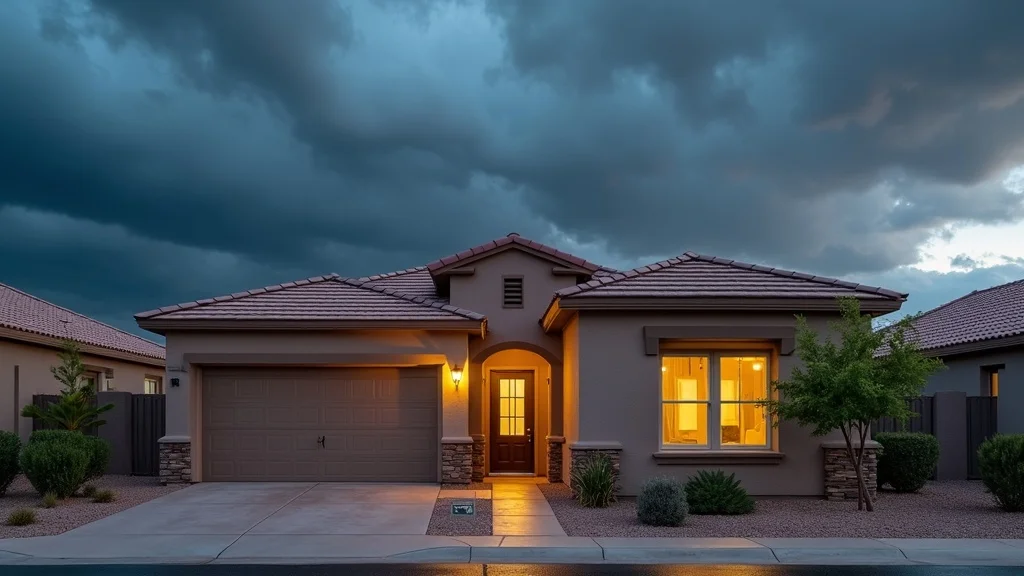
- When water begins to drip, start by placing a bucket under the leak, moving valuable items out of the path, and snapping clear photos for your records. Don’t risk climbing the roof, especially in wet or windy conditions. Taking the right first steps not only protects your property – it also sets you up for a proper, lasting repair.
For a deeper dive into the full process of replacing your shingle roof and what to expect from start to finish, you can explore the comprehensive guide to shingle roof replacement in Mesa. This resource covers material choices, timelines, and how to ensure your new roof stands up to Arizona’s unique climate.
How Mesa Roof Leaks Really Behave: The Path from Entry Point to Stain
Why the Spot You See Isn’t the (Real) Problem Area
- Water doesn’t travel in straight lines. Once it finds an entry point (often near flashing, edges, or penetrations), it zig-zags along trusses, rafters, and insulation—sometimes showing up far from the actual source. If you only patch the visible stain, you’re likely to face a repeat leak after the next storm.
- Mesa’s monsoon winds push rain sideways or even up-slope, exposing literally every detail of your roofing system. Flat roof and tile roof structures face some unique issues, but even a well-installed shingle roof can channel leaks to surprising locations.
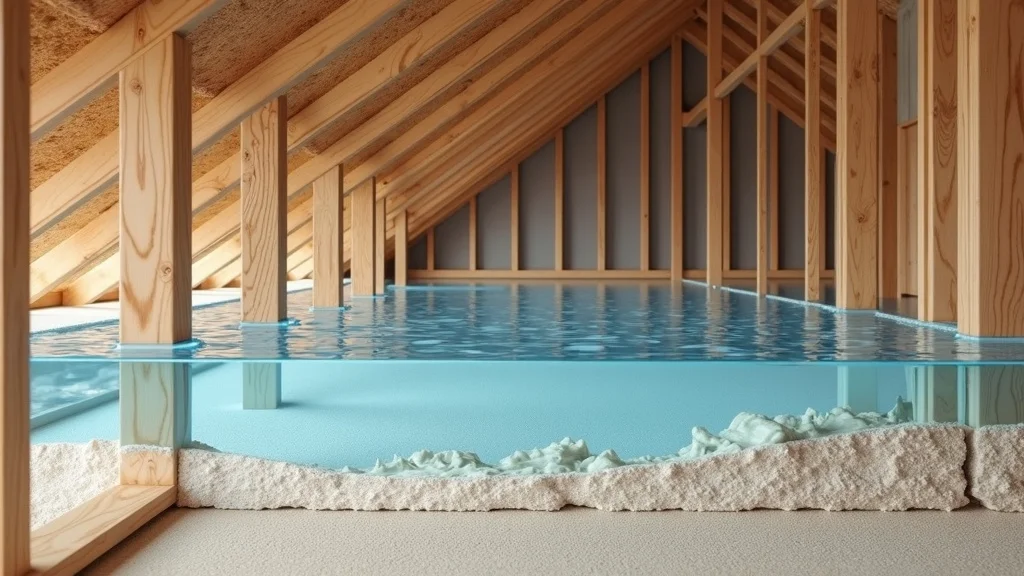
- That’s why the first reaction should be to treat the symptom, but investigate the true cause. A pro will trace water flow to its real entry point—whether that’s a failed vent boot, lifted flashing, or a clogged gutter. Don’t just seal above the stain and hope for the best!
| Symptom Location | Likely Entry Point | Mesa Roof Tip |
|---|---|---|
| Near bath/vent | Vent boot/penetration | Check for cracking from sun |
| At wall/edge | Flashing/roof-to-wall | Inspect for rust/lift |
| Random room stain | Underlayment/valley | Check valley details, debris |
First Steps When You Discover a Roof Leak in Mesa: Urgent Dos and Don’ts
- Contain: Place a bucket or towels under the drip, move rugs and valuables to prevent further damage to finishes and floors.
- Document: Take photos or video of the stain, drip, and surrounding area. Note the time and weather conditions if possible. This documentation is crucial for homeowners’ insurance or a warranty claim with your roofing company.
- If it’s safe: Peek into the attic with a flashlight—look for wetness along the decking, rafters, or visible daylight by pipe or vent penetrations. Don’t venture onto the roof or into heavy insulation if the area is unsafe or wet.
- Resist risky DIY fixes: Avoid smearing tar, foam, or duct tape on the leak—these band-aids often worsen damage and complicate professional repairs.
- Call a Mesa roofing contractor immediately if: The ceiling is bulging, water is near electrical fixtures, or moisture is found at/near HVAC returns or ducts.
The Most Common Causes of Roof Leaks in Mesa: Beyond the Shingles
In Arizona, the majority of leaks in shingle roofing, flat roof, and tile roof systems happen where two materials meet, at system penetrations, or in areas exposed to the wildest temperature shifts—not in the shingles themselves. Here’s a breakdown of the most frequent culprits in Mesa roof leaks and how you can spot (and solve) each one.
Flashing Failure – The #1 Mesa Roof Leak Risk
- Why it’s common: Arizona’s sun and constant heat expansion/contraction break down the sealants at flashings, causing cracks, rust, and gaps. Monsoon winds can even lift metal, creating easy entry points for water.
- Symptoms: Leaks and stains near walls, fireplaces, or where your roof meets a vertical surface—especially after storms.
- Roof check: Look for rusted, loose, or missing step flashing and gaps where patios or walls tie into the main roof structure.
- Typical fix: Professional re-flashing—which means removing and replacing old flashing, not simply adding more caulk. Quality roof repairs for this issue can add years of life to your overall roofing system and delay the need for full roof replacement.
Plumbing Vent Boots and Pipe Penetrations – A Local Roof Threat
Why Mesa sees it: The intense Arizona sun splits and deteriorates rubber and neoprene pipe boots rapidly. This creates leaks even when the rest of the roof is sound.
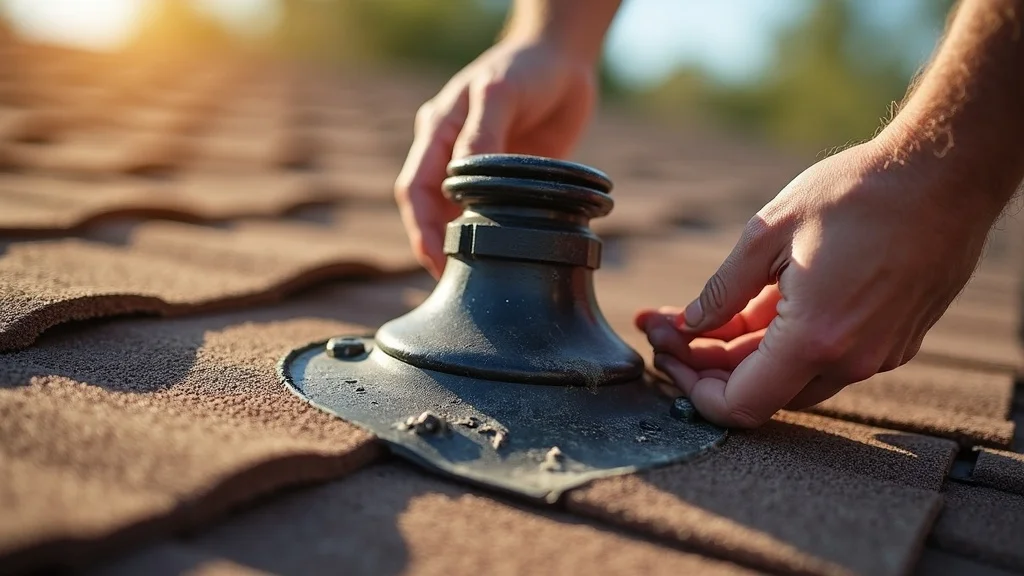
- Symptoms: Drips or stains in bathrooms, laundry areas, or hallways near vent lines—usually only during or after heavy rain.
- Roof check: Spot cracked collars, brittle or split neoprene boots, loose/flashed nails, and any area around penetrations where you can see daylight or gaps.
- Typical fix: Replacement of the cracked boot and resealing the flange—an easy repair service for a pro, which can prevent bigger problems down the road.
Valleys—The Roof’s Water Highways in Monsoon-Prone Mesa
- Why it’s common: Valleys naturally collect all rainwater from intersecting roof slopes. Monsoon events dump huge volumes quickly, and debris from wind builds up, straining valley linings and transitioning underlayment.
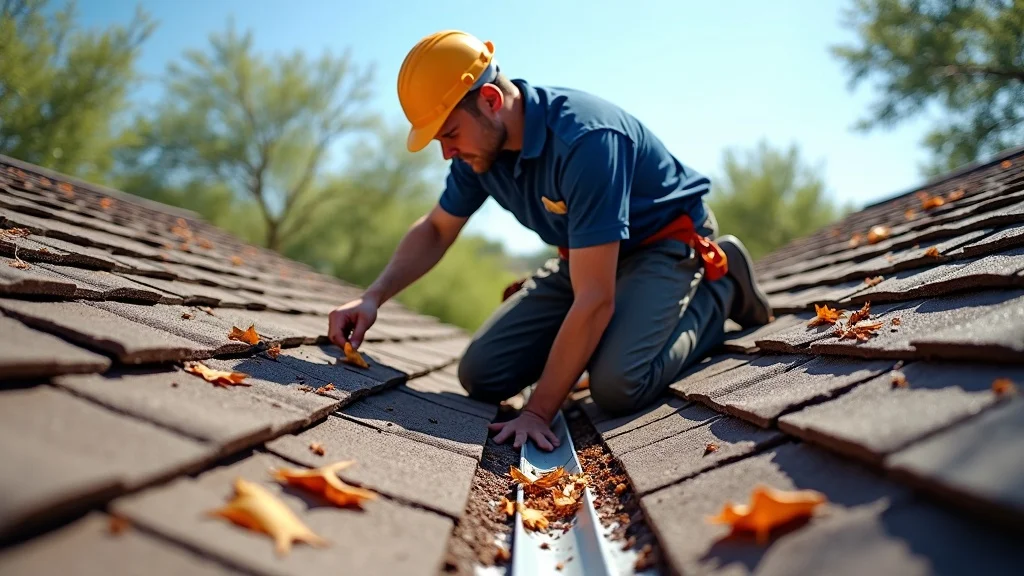
- Symptoms: Leaks that appear right after major storms—often with stains in the middle of rooms, rather than close to walls or vents. These leaks can be deceiving because valley water flow is strong and can find small gaps left by lifted shingles or exposed nail heads.
- Roof check: Inspect for debris piles, visible valley lining, shifting or lifted shingles, or rusty/loose nails.
- Typical fix: Clean and repair the valley flashing, check the shingle roofing underlayment in the area, and replace any damaged shingles.
Roof Vents, Skylights, and Turbines—Mesa Roof Penetrations That Leak
- Why: Extreme heat degrades rubber gaskets and causes fasteners to pop over time. Skylights and vent pipes provide ready-made entry points for rain if the seals aren’t perfectly intact.
- Symptoms: Drips from vent lines or attic fans, visible stains directly below skylights, and water streaks near roof penetrations.
- Roof check: Look for poor or failed flashing, missing kits, or loose hardware around roof penetrations.
- Typical fix: Replace/add a proper flashing kit or curb, avoid “band-aid” tar patches which quickly fail on hot Mesa rooftops.
Edge Details & Gutters—Local Roofing Issues at the Roof Perimeter
- Why: Dust and debris from wind-driven monsoon storms clog gutters and block proper drainage. Missing or poorly installed drip edges let rainwater wick back underneath shingles and damage fascia.
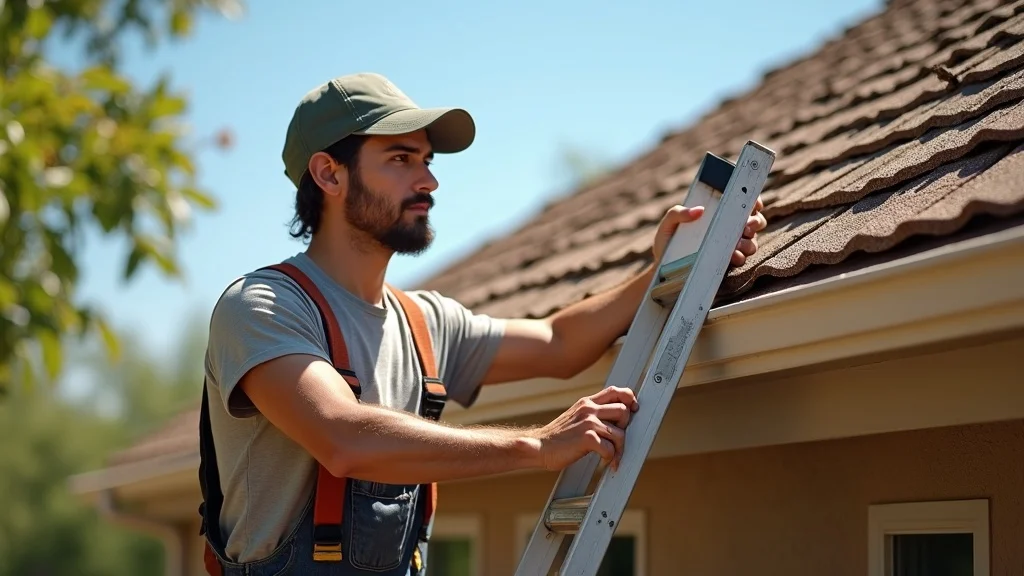
- Symptoms: Moisture, rot, or flaking paint at the fascia or soffit, water stains near eaves or lower edges of your ceiling.
- Roof check: Overflowing gutters, missing or incorrectly installed drip edges, rotted fascia, and water damage near the outside walls.
- Typical fix: Professional gutter cleaning, installation/repair of drip edge, and prompt fascia repair—all important details for a healthy shingle roof or flat roof in Mesa.
Nail Pops and Exposed Fasteners on Mesa Roofs
- Why: Fast temperature swings in the Arizona desert cause nails and other fasteners to expand, contract, and eventually lift. These exposed nail heads can rust and, if left unrepaired, allow water to enter around the shingle field.
- Symptoms: Small, hard-to-trace recurring leaks—often in older additions or places where shingles were previously patched.
- Roof check: Watch for raised/popped nails, rusted shingle heads, and rust stains around fasteners.
- Typical fix: Properly re-secure and seal or replace affected shingles. This sort of roof repair almost always requires an experienced roofing contractor rather than DIY.
Aging Underlayment—The Invisible Leak Source Under Sounding Shingle Roofs
- Why: The blazing heat in Mesa destroys standard felt or synthetic underlayment layers long before the outer shingles show obvious wear. You may have “pretty good” asphalt shingles atop underlayment that’s past its prime.

- Symptoms: New stains or minor leaks cropping up in different rooms, frequent need for patchwork roof repairs, spots that “move” after each monsoon or when the wind direction changes.
- Roof check: Widespread granule loss from shingles, brittle edges, or visible patchwork from previous roof repairs.
- Typical fix: If underlayment is compromised across a large area—or repairs don’t hold—it may be time for a section repair or full shingle roof replacement in Mesa AZ.
Poor Ventilation—The Long Game Damage for Shingle Roofs in Mesa
- Why: High attic temperatures “cook” roofing materials, especially shingles and sealant systems, setting your roof up for seal failures, shingle curling, and brittle patches. Insufficient intake/exhaust ventilation amplifies this effect.
- Symptoms: Ongoing need for repairs, repeated leaks that seem to move, and brittle or curling shingles, even years before the roof is technically aged out.
- Roof check: Look for inadequate intake/exhaust points, trapped hot/moist environments in the attic, and obvious heat stress on roof surfaces.
- Typical fix: Investing in proper ventilation upgrades protects the entire roofing system and reduces repair costs or premature roof replacement.
| Leak Symptom | Common Mesa Cause | Quick Inspection Tip |
|---|---|---|
| Leak near laundry room | Cracked vent boot | Check pipe seals |
| Edge-of-ceiling stain | Failed flashing | Inspect roof-wall |
Symptom-to-Source: Mesa Roof Leak Quick Diagnostic Guide
- Bathroom/laundry leak?—Check vent boots and penetrations
- Stain at a room edge/wall?—Inspect flashing and roof-to-wall transitions
- Leaks after big storm only?—Valley/edge overflow, or flashing issue
- Multiple room leaks?—Aged underlayment or multiple failed details
- Skylight shaft drips?—Skylight flashing/curb tearing or absence
Repair Service or Full Shingle Roof Replacement in Mesa AZ? Making the Right Call
- Isolated spot, sound shingles?—A professional repair service is likely all you need. Quality local roofing companies in Mesa can restore protective function without unnecessary full replacement costs.
- Multiple leaks, brittle/aged shingles?—Roof replacement often becomes more cost-effective in the long run, especially if underlying materials have widespread damage.
- Decking damage, frequent repairs?—Shingle roof replacement in Mesa AZ is strongly recommended to avoid escalating costs and continual emergency roof repairs.
- Ask your Mesa roofing contractor for: In-depth photos, a clear written scope of work, specific material details, and warranty information prior to committing to either a roof repair or a more comprehensive roof replacement.
FAQs: Shingle Roof Replacement Mesa AZ and Mesa Roof Leaks
How much should it cost to replace a shingle roof?
- Costs for shingle roof replacement in Mesa AZ typically range from $6,000–$14,000 depending on home size, roof pitch, selected materials, and detail repair needs. Always get multiple detailed, written estimates.
How much does a new shingle roof cost in Arizona?
- You can expect to pay between $5,500 and $15,500 for a standard shingle roofing system statewide. In Mesa, the average is $7,000–$13,000 for a full shingle roof replacement, but local roof and house details will affect the final price.
What is the 25% rule for roofing?
- Arizona building code generally requires full roof replacement if 25% or more of your total roof surface needs repair. This is a common standard for both insurance companies and local building inspectors—so be sure to clarify with your chosen roofing contractor before starting a repair project.
How much does it cost to roof a 2,000 square foot house?
- For a typical 2,000 sq. ft. shingle roof replacement in Mesa AZ it generally costs $8,000 – $13,000. Materials, pitch, and local roof details determine the exact pricing.
Mesa Homeowner’s Roof Leak Checklist and Mini Glossary
- Checklist – Where to look:
- Around vent boots, valleys, edges
- At roof-to-wall transitions, patio tie-ins, and skylights

Key Takeaways: Shingle Roof Replacement Mesa AZ
- Most Mesa roof leaks start at penetrations and details—not in shingle fields.
- Contain leaks, protect valuables, and call a Mesa roofing contractor quickly if you see ceiling bulges or multiple new stains.
- Don’t patch only the symptom—diagnose the source with a professional inspection and plan.
- Consider shingle roof replacement in Mesa AZ only for persistent, widespread leaks, brittle or aged-out shingles, or repeated underlayment failures.
Ready for a Leak-Free Roof? Call for Shingle Roof Replacement in Mesa AZ
- Your Mesa roof is a system—details matter as much as the shingles themselves. If you’ve discovered a leak, schedule a professional inspection before monsoon season brings the next round of rain and wind. Don’t wait for minor leaks to turn into big problems—your peace of mind is one call away.
- Call for a free estimate: 480-454-6002
Conclusion
In Mesa, most leaks are due to small details, not failing shingles. Act fast, investigate thoroughly, and get expert guidance—call a reputable roofing contractor for a diagnosis that lasts.
If you’re interested in staying ahead of the curve with the latest trends, tips, and updates on shingle roof replacement and maintenance in Mesa, be sure to check out the Mesa Shingle Roof Replacement News & Updates section. There, you’ll find expert insights, seasonal advice, and real-world solutions that can help you protect your home year-round. Whether you’re planning a future upgrade or simply want to keep your roof in top shape, these resources offer valuable knowledge for every Mesa homeowner. Take the next step in safeguarding your investment and discover what’s new in local roofing today.
Sources
When considering shingle roof replacement in Mesa, AZ, it’s essential to understand the unique challenges posed by the local climate. Selecting materials that can withstand Mesa’s extreme heat and monsoon storms, ensures your roof’s longevity and performance.
This resource emphasizes the importance of choosing the right materials and working with experienced professionals familiar with the region’s specific roofing needs. (shingleroofreplacementmesa.com)
By consulting these resources, you can make informed decisions about your shingle roof replacement, ensuring your home remains protected against Arizona’s harsh weather conditions.